Post
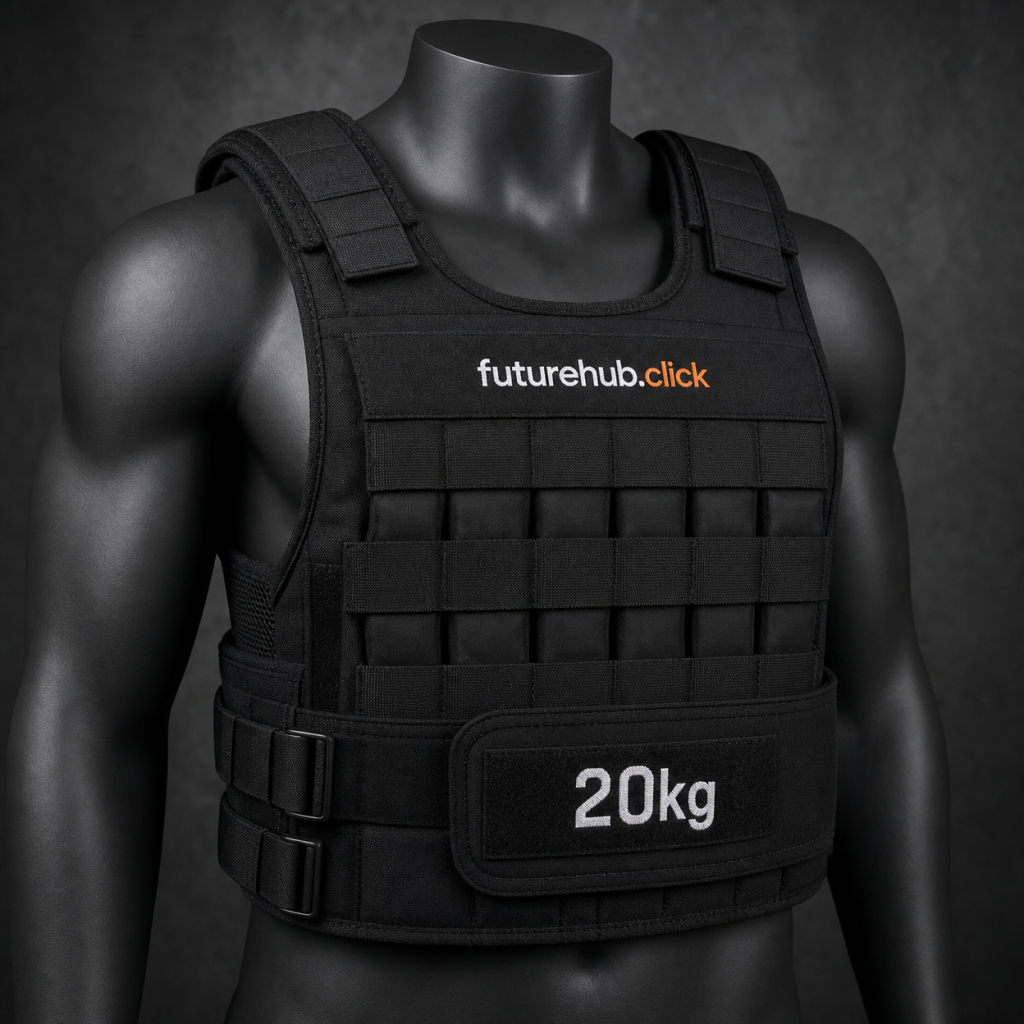
Weighted Vest 20kg
May
 Weighted Vest 20kg: The Complete Training Guide for Serious Athletes
 Weighted
If you are looking for a straightforward way to dramatically intensify any bodyweight exercise, improve athletic performance, and accelerate fat loss, a weighted vest may be the single most effective piece of equipment you can add to your training arsenal. The weighted vest 20kg represents the upper range of standard weighted vest loads and is favored by serious athletes, tactical fitness practitioners, and experienced bodyweight training enthusiasts who need significant additional resistance to continue progressing. This comprehensive guide explores the science, benefits, exercises, and training strategies for getting maximum results from your 20kg weighted vest.
What Is a Weighted Vest?
A weighted vest is a close-fitting garment worn over the torso that incorporates pockets or integrated chambers for holding weight, typically in the form of steel plates, sandbags, or shot-filled pouches. Quality weighted vests distribute the weight evenly across the chest and back to minimize interference with movement mechanics. A 20kg vest represents roughly 25 to 33 percent of the body weight of a typical adult male — a significant but manageable additional load for most trained individuals.
Types of Weighted Vests
Weighted vests come in several designs, each with distinct characteristics:
Fixed Weight Vests: These vests come with a predetermined, non-adjustable weight. They tend to be more compact and lower-profile but limit progressive overload.
Adjustable Weight Vests: These allow users to add or remove weight plates or pouches to adjust the total load. A quality 20kg adjustable vest might accept weights in 1kg or 2kg increments, enabling precise progressive overload over time.
Plate Carrier Vests: Originally designed for military and tactical use, plate carriers hold specific-sized steel or ceramic plates in front and rear pockets. They are durable, highly adjustable, and growing in popularity among fitness enthusiasts.
Sandbag Vests: These use sand-filled pouches distributed throughout the vest. They tend to have a lower profile and better weight distribution but may shift more during dynamic movements.
Key Benefits of Training with a 20kg Weighted Vest
Dramatically Increased Exercise Intensity: Adding 20kg to any bodyweight exercise fundamentally changes the training stimulus. Push-ups, pull-ups, dips, running, walking, and virtually any movement becomes significantly more demanding with 20kg of additional load, enabling continued progressive overload when bodyweight alone is no longer sufficiently challenging.
Cardiovascular and Metabolic Benefits: Research consistently shows that exercising with a weighted vest significantly increases heart rate, caloric expenditure, and metabolic demand compared to the same exercise performed without additional weight. A 2020 study published in a peer-reviewed exercise science journal found that walking with a weighted vest representing approximately 15 percent of body weight increased caloric burn by approximately 12 percent, with heavier vests producing proportionally greater increases.
Bone Density Improvement: Weight-bearing exercise is one of the most effective strategies for maintaining and improving bone density. Adding a weighted vest increases the mechanical loading on bones during exercise, which stimulates bone remodeling and density improvements. This benefit is particularly important for women and older adults at risk of osteoporosis.
Improved Strength and Power: The additional load of a weighted vest forces the muscles to work harder in every phase of every exercise. Over time, this increased demand produces meaningful improvements in functional strength and explosive power, particularly for movement patterns heavily targeted in training.
Military and Tactical Fitness Applications: Weighted vest training is a cornerstone of preparation for military, law enforcement, and firefighting fitness assessments. Many tactical fitness tests require candidates to perform movements while wearing loaded equipment, making vest training highly specific preparation.
Best Exercises with a 20kg Weighted Vest
The weighted vest transforms any bodyweight exercise into a significantly more demanding challenge. Here are the most effective exercises to perform:
Pull-Ups and Chin-Ups: Adding 20kg to a pull-up workout provides a challenge similar to barbell training, developing extraordinary back, bicep, and grip strength. Ensure your full bodyweight pull-up form is solid before adding significant vest weight.
Push-Ups: A 20kg vest transforms push-ups into a pressing exercise comparable to a moderate barbell bench press set. Diamond push-ups, wide push-ups, and plyometric push-ups with vest weight provide exceptional upper body training.
Dips: Weighted dips with a 20kg vest develop elite-level tricep, chest, and shoulder strength. The combination of dips and pull-ups with vest weight is one of the most effective pairings for upper body development.
Running and Rucking: Running with a weighted vest dramatically increases cardiovascular intensity and leg muscle demand. Rucking (walking with a loaded vest or pack) is an accessible, highly effective form of cardio that burns significant calories while placing minimal impact on the joints compared to running.
Box Jumps and Plyometrics: Weighted plyometric movements develop explosive power under load. Begin with conservative vest weights for plyometrics and progress cautiously, as landing forces are amplified significantly.
Squats and Lunges: Bodyweight squats and lunges with a 20kg vest approach the loading of goblet squats with a heavy dumbbell, providing meaningful lower body training without a barbell.
Burpees and HIIT Circuits: Vest-weighted burpees and circuit training create intense cardiovascular and strength training stimulus simultaneously, making them highly time-efficient for busy athletes.
Sample 20kg Weighted Vest Training Programs
Strength Focus: Pull-ups 5×5, dips 5×5, push-ups 5×10, lunges 3×12 per leg. Rest 2 to 3 minutes between sets. Focus on controlled, full-range reps.
Conditioning Focus: Burpees 10 reps, box jumps 10 reps, push-ups 15 reps, pull-ups 5 reps. Complete as many rounds as possible in 20 minutes. Rest only as needed.
Rucking Protocol: 30 to 60-minute ruck (walking with vest) at a brisk pace, maintaining conversational exertion level. Excellent for active recovery days and cardiovascular conditioning.
Safety Considerations
Training with a 20kg weighte vest requires attention to safety. Start with lower vest weights if you are new to weighte vest training and build to 20kg over several weeks. Never run with a vest that creates significant posture compromise — the vest should allow you to maintain an upright posture without forward lean. Avoid weighte vest training if you have existing neck, shoulder, or spinal injuries without medical clearance. Ensure the vest fits snugly and does not shift during dynamic movements, as shifting weight can compromise movement mechanics and increase injury risk.
Vest Fit and Comfort
A properly fitted weighte vest should sit snugly against the body without pinching or restricting breathing. Look for adjustable side straps and shoulder connections that allow customization to your body shape. Quality padding at the shoulders and contact points prevents chafing during longer sessions. For running, a low-profile vest that moves minimally is essential.
Final Thoughts
The weighte vest 20kg is a powerful training tool that delivers exceptional benefits for strength, power, cardiovascular fitness, bone density, and metabolic conditioning. Whether you are pursuing military fitness standards, seeking to break through a bodyweight training plateau, or simply looking for a highly efficient way to intensify your workouts, a quality 20kg weighte vest provides everything you need to take your training to the next level. Invest in a durable, well-fitting vest, progress sensibly, and experience the transformative impact that weighte vest training can have on your fitness.
