Post
Climbing Rope 10ft
May
Climbing Rope 10ft: The Complete Guide to This Functional Strength Training Tool
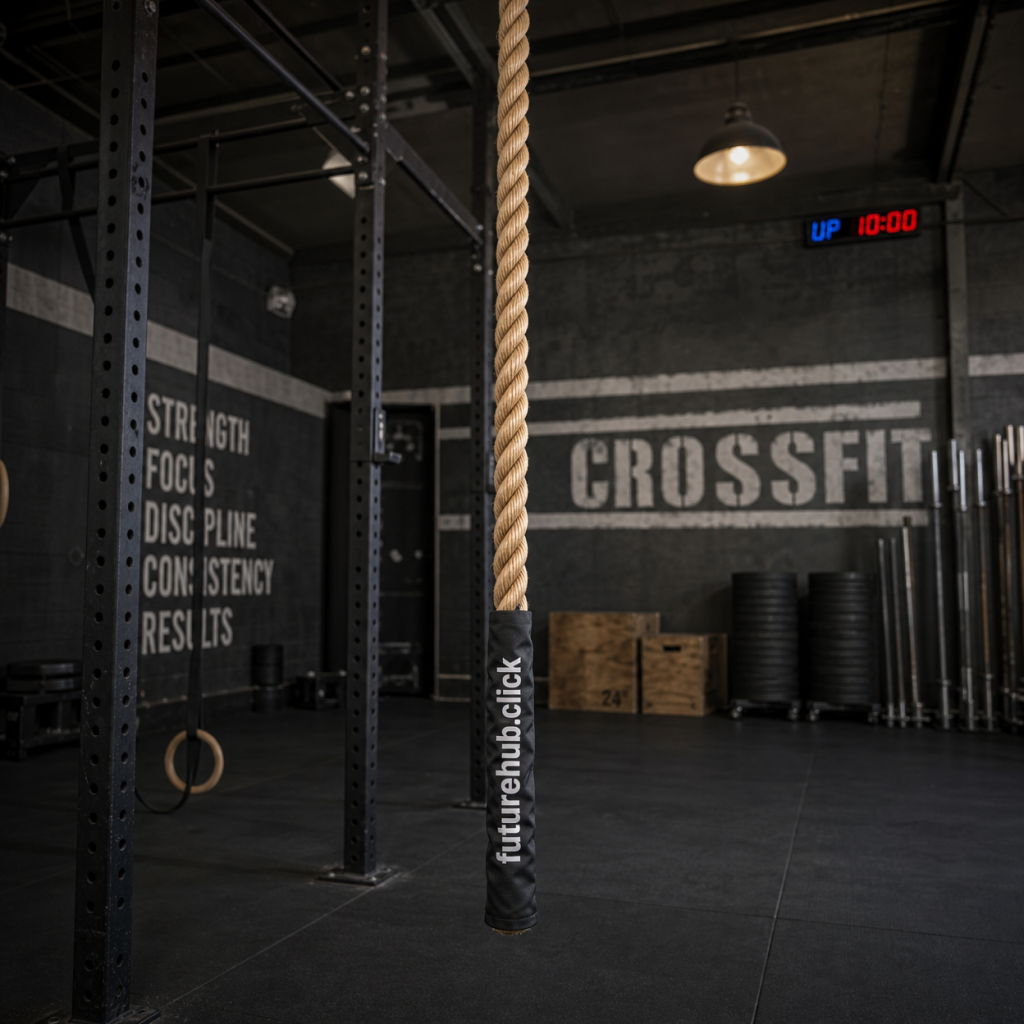
Rope climbing is one of the oldest and most respected tests of upper body strength, grip endurance, and functional fitness. Long a staple of military training, gymnastics conditioning, and CrossFit workouts, the climbing rope develops a unique combination of pulling strength, grip endurance, and upper body muscular endurance that few other exercises can match. A 10-foot (approximately 3-meter) climbing rope is the most popular length for home gym installation, offering sufficient height for challenging full rope climbs while remaining compatible with most residential ceiling heights. This comprehensive guide covers everything you need to know about training with a climbing rope.
Why Climb a Rope?
Before exploring the technical aspects of climbing rope training, it is worth understanding why this simple piece of equipment deserves a place in your training program. Rope climbing offers a suite of benefits that are genuinely difficult to replicate through other means.
Grip Strength Development: Rope climbing is one of the most intense grip training activities available. The rough texture of a manila or synthetic rope combined with the dead-hang position between climbing pulls creates extraordinary demands on the flexor tendons, intrinsic hand muscles, and forearm flexors. Serious rope climbers develop grip strength that transfers powerfully to deadlifts, pull-ups, barbell training, and virtually every other strength exercise.
Vertical Pulling Strength and Endurance: While pull-ups train the vertical pulling pattern, rope climbing extends this training to require sustained pulling strength over multiple sequential pulls, building upper body muscular endurance in a way that single repetition pull-ups cannot replicate.
Bicep and Forearm Development: The combination of gripping the rope, pulling body weight, and maintaining an active hold between pulls produces exceptional bicep, brachioradialis, and forearm development.
Lat and Back Engagement: Like pull-ups, rope climbing heavily engages the latissimus dorsi, teres major, rhomboids, and rear deltoids. The instability of the rope compared to a fixed pull-up bar creates additional stabilization demands.
Core Stability: Maintaining body position against the natural tendency of the rope to sway requires constant core engagement, adding an abdominal and spinal erector training component to every climb.
Functional Athleticism: Rope climbing develops the raw, applied strength and grip endurance that transfers directly to real-world physical challenges, military physical requirements, and athletic performance.
Types of Climbing Ropes
Climbing ropes come in several materials and constructions:
Manila Rope: The traditional climbing rope material, manila (from the agave plant) is rough-textured, durable, and provides excellent grip. The rough texture develops calluses quickly and can be hard on sensitive skin initially but is preferred by many serious climbers for its authentic feel and grip.
Synthetic Fiber Ropes: Polypropylene, nylon, and polyester ropes are alternatives to manila that are more resistant to moisture and UV degradation. Synthetic ropes tend to have a smoother texture that is easier on the hands but may provide less secure grip, particularly when wet or with worn calluses.
Diameter: Standard gym climbing ropes are typically 1.5 inches (38mm) in diameter. This diameter is thick enough to grip securely but not so thick as to make gripping excessively difficult. Thicker ropes (2 inches) are used in grip-challenge training specifically.
The 10ft Length: A 10-foot rope is the most popular home gym length because it provides enough height for a meaningful climbing challenge — approximately 2 to 4 complete climbing cycles depending on technique — while fitting within standard residential ceiling heights of 9 to 12 feet. When purchasing a 10-foot rope, factor in the mounting hardware height (typically 6 to 12 inches below the ceiling attachment point) to ensure the rope bottom is accessible from the floor.
Installation Considerations
Safe installation is the most critical consideration when adding a climbing rope to your home gym. The rope and its anchor must support forces far exceeding the user’s body weight due to the dynamic loads generated during climbing.
Ceiling Mounting: Attach the rope to a structural ceiling joist using heavy-duty eye bolts with appropriate load ratings. Never attach to drywall, plaster, or decorative ceiling elements alone. If unsure about your ceiling structure, consult a contractor. The mounting hardware should be rated for a minimum of 500 to 600 pounds.
Beam or Rafter Mounting: If you have exposed wooden beams or steel rafters, these provide ideal mounting points. Use appropriately rated hardware for the beam material.
Power Rack Integration: Many power racks include accessory attachment points suitable for hanging a short climbing rope. This is often the safest and most convenient mounting solution for home gym use.
Ladder or Platform for Initial Climbing: For users who cannot perform a full rope climb from a dead hang, having a box, bench, or platform available to begin climbin from a bent-arm position closer to the top of the rope significantly reduces the initial strength requirement.
Climbin Techniques
Two primary techniques are used for climbin a rope:
Legless Rope Climb: The most demanding variation, the legless rope climb is performed using only the arms, with the legs either hanging straight or crossed behind the body. This technique places maximum demand on the arms, back, and grip and is a standard performance test in military and functional fitness settings.
L-Sit Rope Climb: Perform the legless climb while holding the legs horizontal in an L-sit position. This variation adds a significant core and hip flexor challenge to the upper body demands of the standard legless climb.
Foot-Assisted Rope Climb (J-Hook): The most beginner-friendly technique, the J-hook uses the feet to grip and lock onto the rope to reduce the pulling demand on the arms. Standing on the rope with the feet pinched together allows the legs to provide a significant assist during each upward movement.
Training Progressions for Climbin Rope
Beginner Stage: Focus on dead hangs (hanging from the rope for 10 to 30 second intervals to develop grip and shoulder strength), foot-assisted climbs to the top of the rope and controlled descents, and inverted rows using the rope from a horizontal or semi-horizontal position.
Intermediate Stage: Partial legless climbs from a seated or bent-arm starting position, repeated partial climbs for volume (multiple pulls without going to the top), and timed work sets of foot-assisted climbs.
Advanced Stage: Full legless rope climbs from a dead hang, multiple consecutive climbs with minimal rest, and weighted rope climbs using a weight belt or weighted vest.
Maintenance and Safety
Inspect the rope before each use for fraying, internal core damage, or loose connections at the mounting attachment. A frayed or internally damaged rope should be replaced immediately. Chalk can improve grip when hands are sweaty. Climbin gloves are an option for people with sensitive skin, though bare-handed climbin is generally preferred for developing real grip strength.
Final Thoughts
A 10-foot climbin rope is one of the most authentic, challenging, and rewarding fitness tools you can add to your home gym. The unique combination of grip strength, pulling strength, and muscular endurance that rope climbin develops is genuinely difficult to replicate through other exercises. Whether you are training for military fitness standards, pursuing a higher level of functional athleticism, or simply seeking a challenging and engaging alternative to standard pull-up bar training, the climbin rope delivers exceptional results that will serve your fitness goals for many years.
