Post
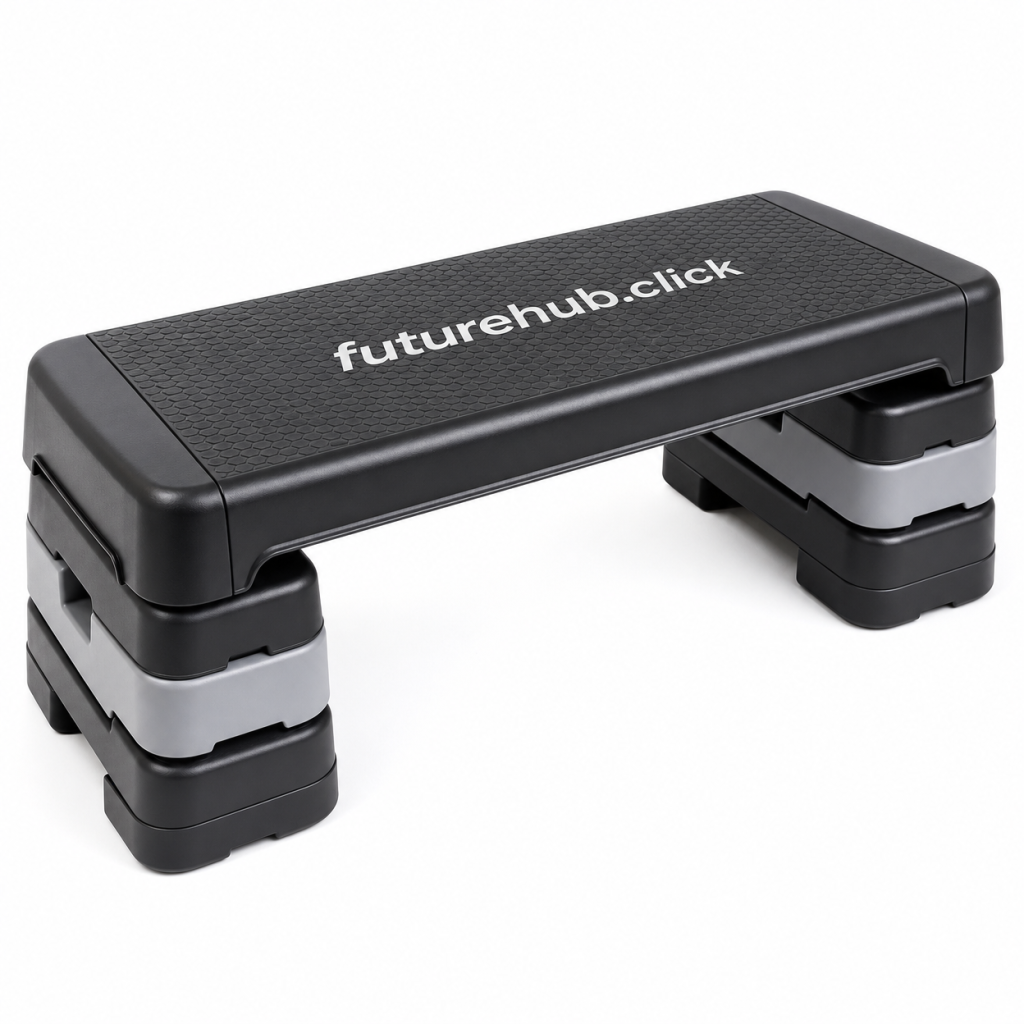
Step Platform Adjustable
May
 The adjustable step platform is one of the most enduring and versatile pieces of cardio equipment ever created. Born from the aerobics revolution of the 1980s and refined through decades of fitness innovation, the step platform today serves purposes far beyond its original step aerobics application, functioning as a bench substitute, a plyometric tool, a balance trainer, and a cardio conditioning device in a single compact unit.
 The
The **Design and Adjustability**
A quality adjustable step platform consists of a non-slip top surface, typically textured or ridged for traction, mounted on a sturdy base that can accept removable risers to change the platform height. Most standard platforms begin at 10 centimeters and can be raised to 15 centimeters and 20 centimeters by adding one or two pairs of risers. Some premium models offer heights up to 30 centimeters.
This height adjustability is central to the platform’s versatility. Different heights create different mechanical demands on the muscles and cardiovascular system, allowing the same exercises to be progressively loaded as fitness improves. A beginner performing basic step-ups at 10 centimeters can eventually progress to the same exercise at 20 centimeters with significantly greater muscular and cardiovascular demand, extending the training life of the equipment indefinitely.
The non-slip surface must remain effective even when wet from perspiration. Quality surfaces use aggressive texturing or rubber inserts that maintain grip through extended cardio sessions. The risers should lock into the base securely with an audible and tactile click to prevent movement during explosive plyometric use.
**Classic Step Aerobics Applications**
Traditional step aerobics remains one of the most enjoyable and effective cardiovascular training modalities available. The basic step-up and down pattern, performed continuously to music with directional and rhythm changes guided by an instructor or video, creates sustained aerobic conditioning that is joint-friendly compared to running while being more engaging and metabolically demanding than walking.
Group fitness classes built around step platforms have been shown to produce heart rate responses equivalent to jogging at a moderate pace, with significantly lower impact forces on the joints. For individuals who enjoy the motivation of structured, music-driven cardio but need a lower-impact alternative to running due to joint issues or previous injuries, step aerobics is an ideal solution.
Modern step platform workout programs have evolved well beyond traditional aerobics. High-intensity interval step workouts combine explosive step movements, plyometric jumps onto and off the platform, and rapid directional changes that push heart rate into high-intensity zones for brief periods, creating the metabolic demand and calorie burn associated with much higher-impact activities.
**Strength Training Applications**
When used for strength training, the step platform functions as a low bench that expands the range and variety of exercises significantly. Incline push-ups performed with hands on the platform reduce the difficulty relative to floor push-ups by shifting a portion of the body weight to the arms at a less challenging angle, making them an ideal regression for those building toward full push-up capacity.
Decline push-ups, with feet elevated on the platform and hands on the floor, shift the emphasis toward the upper chest and anterior deltoids. Bulgarian split squats with the rear foot on the platform create an extended range of motion lunge variation that intensely challenges the quadriceps and glutes of the leading leg while developing hip flexor flexibility in the trailing leg.
Step-up exercises performed at controlled tempo with or without dumbbells are excellent unilateral lower body movements that develop quad and glute strength while training balance and hip stability. The height of the step directly determines the difficulty, with higher platforms creating greater hip and knee flexion and increasing the muscular demand.
**Plyometric and Power Training**
Plyometric applications transform the step platform from a cardio tool into an explosive power development device. Depth jumps — stepping off the platform, landing with a soft absorption of the impact, and then immediately jumping vertically — train the stretch-shortening cycle of the lower limb muscles and develop the reactive strength that underlies athletic speed and jumping ability.
Box jumps performed onto the platform develop explosive power and teach proper landing mechanics that protect the knees and ankles during sports. Beginning at a lower platform height and progressing gradually as landing mechanics and power develop is the safe and effective approach.
Lateral step-overs, plyometric step-touches, and alternating leg drills on the platform add agility and coordination dimensions to training that develop athletic movement quality alongside cardiovascular conditioning.
**Space Efficiency and Storage**
The step platform is one of the most space-efficient pieces of fitness equipment available. When stored, the risers stack beneath the platform, creating a compact unit that fits under a bed, in a closet, or in a corner of a room. Its light weight makes it easy to move between rooms or take to a different training location.
This portability and compact storage footprint make it an excellent choice for apartment dwellers, travelers who use vacation rental accommodation, or anyone who needs to maintain training with a minimum of dedicated space or infrastructure.
**Durability and Maintenance**
Quality step platforms are constructed from high-density polyethylene or similar engineering plastics designed to withstand dynamic loading through thousands of workouts. The non-slip surface should be cleaned regularly with a mild detergent solution to maintain grip and hygiene. Inspect the riser connections periodically to ensure they are locking correctly, and replace any component showing cracks or structural damage.
**Conclusion**
The adjustable step platform may be one of the most underrated pieces of fitness equipment in the modern home gym. Its combination of cardio, strength, plyometric, and balance training applications, delivered in an affordable, portable, and space-efficient package, provides exceptional value across all fitness levels. From beginner cardio foundations to advanced athletic conditioning, the step platform adapts to every stage of your fitness journey. Neuromuscular Demands: Step platform training creates unique demands due to dynamic movement and continuous balance requirements. Your nervous system must process sensory information about platform position body position and movement direction. Cardiovascular Adaptations: Step aerobics developed continuously develops the aerobic energy system. Athletes show VO2 max increases comparable to steady-state running. High-intensity interval step training develops anaerobic capacity. Balance Development: The dynamic balance demands develop proprioceptive awareness and balance control. Research shows older adults in step programs demonstrate improved balance and reduced fall risk. The directional changes create additional challenge compared to continuous forward movement.
