Post
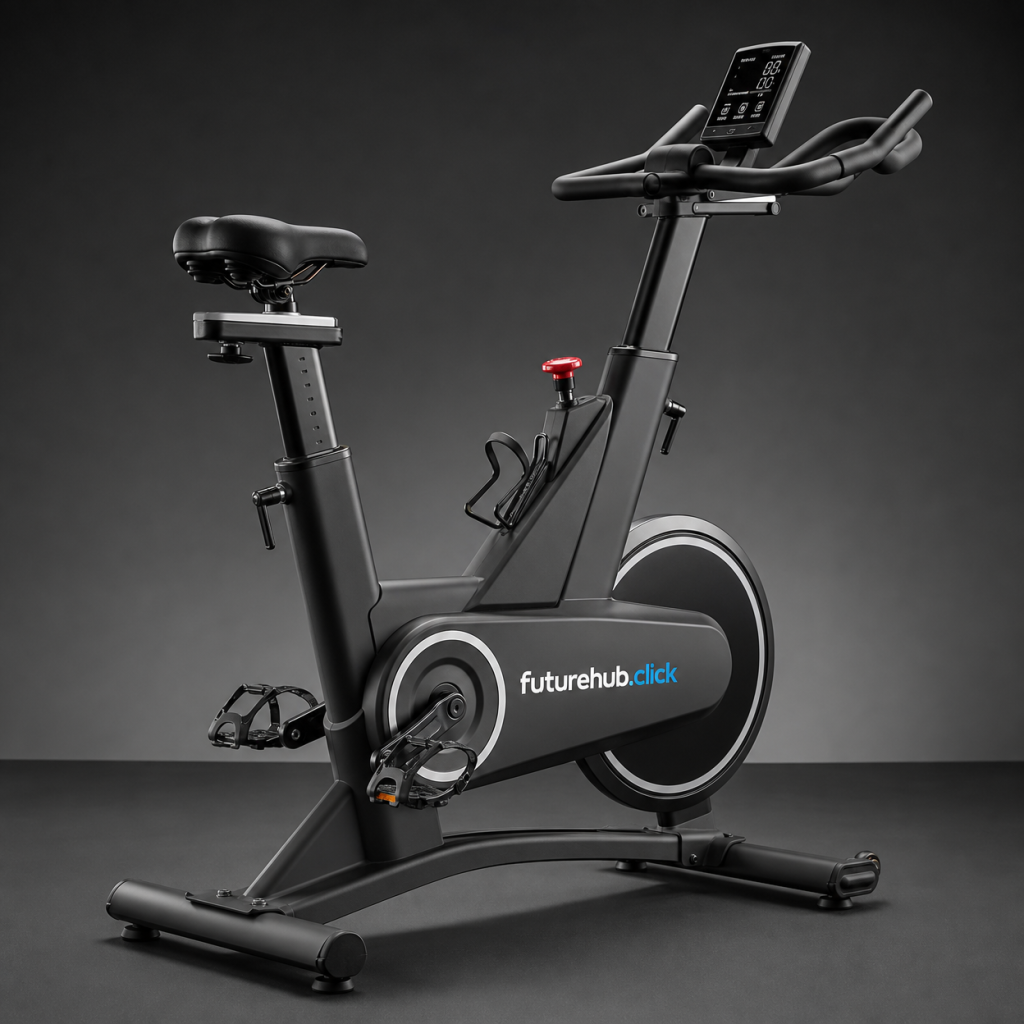
Exercise Bike Magnetic Resistance
May
Exercise Bike Magnetic Resistance: The Complete Buying and Training Guide
Among the many options in the home cardio equipment market, the magnetic resistance exercise bike stands out for its combination of smooth, quiet operation, low maintenance, and effective cardiovascular training. Whether you are seeking weight loss, improved aerobic fitness, rehabilitation from a lower body injury, or simply a convenient way to stay active regardless of weather conditions, a magnetic resistance exercise bike delivers a compelling package of benefits. This comprehensive guide covers everything you need to know about magnetic resistance exercise bikes and how to get maximum results from your investment.
Understanding Magnetic Resistance Technology
Traditional exercise bikes use friction-based resistance systems where a pad or belt presses against the flywheel to create resistance. While effective, friction systems require periodic pad replacement, produce more noise, and provide less consistent, smooth resistance throughout the pedaling cycle.
Magnetic resistance systems use electromagnetic or permanent magnets positioned near but not touching the flywheel. Adjusting the resistance changes the strength of the magnetic field, which in turn changes how much force the flywheel must overcome as it rotates. Because there is no physical contact between the magnets and the flywheel, magnetic resistance systems are essentially maintenance-free, whisper-quiet, and provide exceptionally smooth, consistent resistance throughout the entire pedal stroke.
Two types of magnetic resistance systems exist in exercise bikes:
Direct Contact Magnetic Braking: A pair of permanent magnets is mounted on a mechanism that moves them closer to or farther from the flywheel. Closer magnets create stronger eddy currents and higher resistance. This system is reliable and affordable.
Electromagnetic Braking: An electromagnet generates a magnetic field whose strength is controlled electronically. This system allows for precise, computer-controlled resistance adjustment, making it possible to program specific resistance levels automatically. It is the system used in the highest-quality smart bikes like Peloton.
Key Specifications to Consider
Flywheel Weight: The flywheel provides the rotational momentum that makes pedaling feel smooth and natural. Heavier flywheels (15kg or more) provide a more fluid, road-bike-like pedaling sensation. Lighter flywheels can feel jerky, particularly at lower resistance levels.
Resistance Levels: Most magnetic resistance bikes offer 8 to 32 levels of resistance. More levels provide finer adjustability for precisely calibrating training intensity. At minimum, look for at least 16 levels for meaningful training variety.
Frame Construction: Steel frames provide the best rigidity and durability. A heavy, stable frame minimizes the wobble and movement that can disrupt workouts, especially during standing climbs or sprint intervals.
Seat Adjustability: The seat should adjust both vertically (up/down) and horizontally (forward/backward) to accommodate different leg lengths and riding preferences. A comfortable, correctly positioned seat is essential for preventing knee pain and maintaining proper biomechanics.
Handlebar Adjustability: Multi-position handlebars that adjust in height and reach accommodate different body proportions and riding positions.
Display and Connectivity: Basic displays show time, speed, distance, cadence (pedaling RPM), and estimated calories. Higher-end models include heart rate monitoring, fitness app connectivity (Bluetooth/ANT+), and tablet holders for entertainment or class-based cycling platforms.
Maximum User Weight: Ensure the bike’s rated capacity comfortably exceeds your body weight.
Health Benefits of Cycling on a Magnetic Resistance Bike
Regular cycling on a magnetic resistance exercise bike produces significant health and fitness benefits backed by substantial research:
Cardiovascular Health: Cycling elevates heart rate and breathing rate, stimulating adaptations in the cardiovascular system that reduce resting heart rate, lower blood pressure, and improve VO2 max over time. Even 30 minutes of moderate cycling three times per week produces measurable cardiovascular improvements within weeks.
Low-Impact Calorie Burning: Cycling burns significant calories (300 to 600+ calories per hour depending on intensity and body weight) without the high joint-impact forces of running. This makes it ideal for overweight individuals, older adults, and anyone with joint sensitivity.
Lower Body Strength: While primarily a cardiovascular exercise, cycling develops meaningful strength and endurance in the quadriceps, hamstrings, glutes, and calves, particularly at higher resistance levels.
Mental Health: Like all aerobic exercise, cycling reliably improves mood, reduces anxiety and depression symptoms, and enhances cognitive function through mechanisms including endorphin release and increased brain-derived neurotrophic factor (BDNF).
Rehabilitation: Exercise bikes are extensively used in physical therapy following knee surgery, hip replacement, and lower extremity injury rehabilitation due to their low-impact, controlled, and adjustable nature.
Effective Exercise Bike Training Programs
Steady-State Cardio: Ride at a consistent moderate intensity (60 to 75% of maximum heart rate) for 30 to 60 minutes. This is an accessible and highly effective approach for cardiovascular health and fat burning.
HIIT (High-Intensity Interval Training): Alternate between 20 to 40 second maximum effort sprints and 60 to 90 second recovery periods of easy pedaling. Research consistently demonstrates that HIIT produces excellent cardiovascular adaptations and fat loss in significantly less total training time than steady-state cardio. A typical HIIT session might last only 20 to 25 minutes including warm-up and cool-down.
Climbing Intervals: Increase resistance to simulate hill climbing. Alternate between 2 to 3 minute climbing efforts at high resistance and 1 to 2 minute flat sections at moderate resistance. This develops leg strength alongside cardiovascular fitness.
Zone 2 Training: Extended lower-intensity riding in zone 2 heart rate (60 to 70% of maximum) develops aerobic base fitness and is increasingly favored by endurance athletes and health-conscious riders.
Class-Based Training: Apps like Peloton (compatible with many bikes via a tablet), Zwift, Rouvy, and others provide coached, structured workouts and virtual riding experiences that make training engaging and motivating.
Setting Up Your Bike Correctly
Proper bike setup is essential for comfort and injury prevention. Set the seat height so there is a slight (approximately 10 to 15 degree) bend in the knee at the bottom of the pedal stroke — not fully extended, but with a clear extension rather than being cramped. Adjust the seat horizontal position so the knee is directly above the pedal spindle when the crank arm is horizontal. Set handlebar height to a comfortable position that does not force excessive forward bending or upright sitting.
Maintenance
Magnetic resistance bikes require very little maintenance compared to friction systems. Periodically wipe down the frame and seat with a damp cloth after workouts. Inspect the seat and handlebar adjustment mechanisms to ensure they are functioning correctly and all fasteners are secure. Check that the pedals are secure and the crankarms are tight.
Final Thoughts
A magnetic resistance exercise bike is an excellent long-term investment for home cardiovascular training. Its quiet operation, maintenance-free resistance system, and versatile training capability make it suitable for a wide range of users from beginners to serious cyclists. Whether your priority is health maintenance, athletic performance, rehabilitation, or weight management, a quality magnetic resistance exercise bike provides a reliable, effective, and enjoyable training platform for years of productive use.
