Post
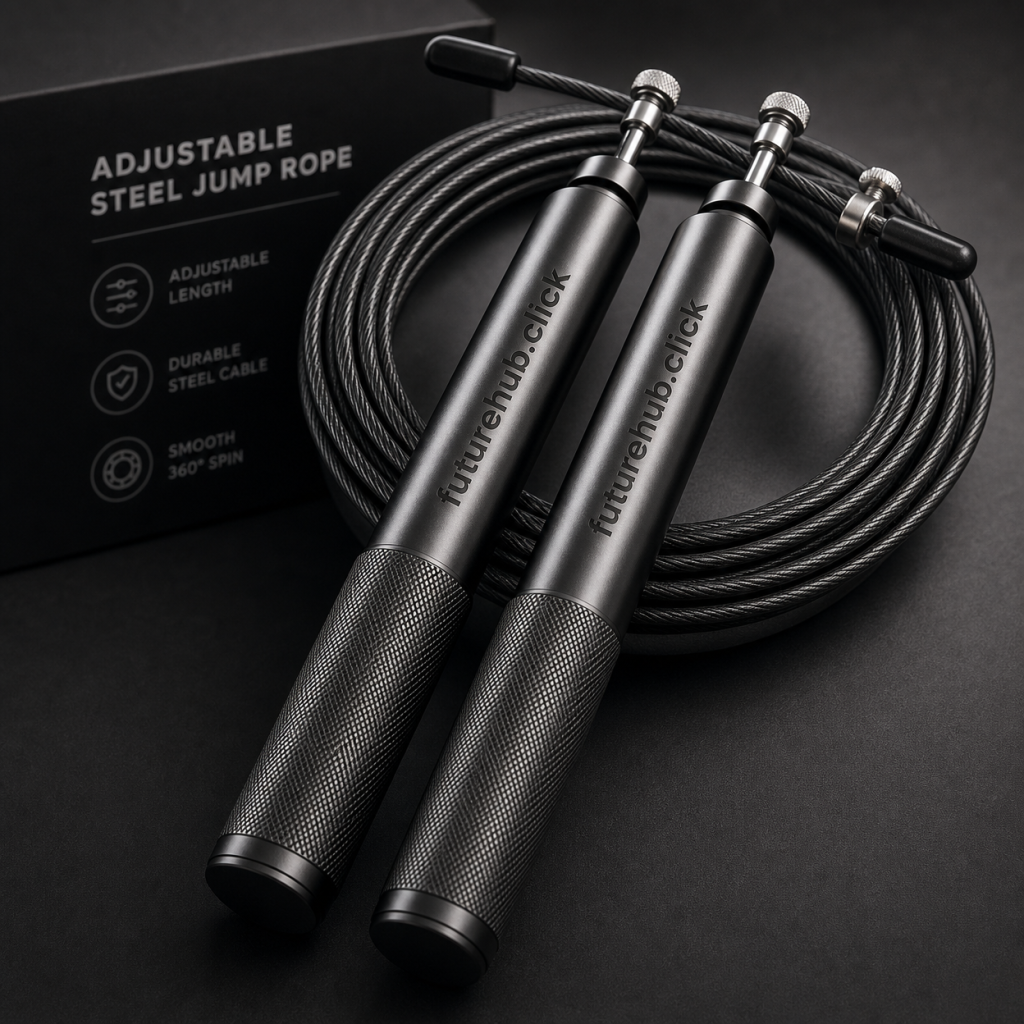
Jump Rope Adjustable Steel
May
Jump Rope Adjustable Steel: The Complete Guide to This Timeless Fitness Tool
Jump rope training has been a staple of athletic conditioning for decades, favored by boxers, martial artists, sprinters, and fitness enthusiasts for its unmatched cardiovascular benefits, coordination demands, and extraordinary caloric burn in minimal time. The adjustable steel jump rope represents the premium category of this classic training tool, offering superior speed, precision, and durability compared to basic plastic or fabric ropes. Whether your goal is elite cardiovascular conditioning, improved coordination and agility, weight loss, or athletic performance enhancement, an adjustable steel jump rope provides everything you need.
Why Choose a Steel Jump Rope?
The cable of a steel jump rope — typically a thin braided or solid steel wire with a vinyl or nylon coating — offers several significant advantages over traditional plastic or leather ropes. The steel construction is thinner and denser than plastic rope, creating less air resistance as it rotates. This reduced drag allows the rope to spin faster with less effort, making it possible to achieve much higher rotation speeds and perform advanced techniques like double-unders and triple-unders more easily. The lighter weight of steel cable also allows for quicker adjustments in rope speed and direction, facilitating complex footwork patterns and rhythm changes.
The adjustable feature allows users to set the rope to their precise optimal length, which is essential for efficient and effective jump rope training. A rope that is too long will hit the ground before completing each revolution, forcing you to jump higher than necessary. A rope that is too short will catch on your feet. The correct length allows for smooth, consistent revolutions with minimal wasted motion.
Finding Your Optimal Jump Rope Length
Setting your adjustable steel jump rope to the correct length is one of the most important steps in getting started. Here are two reliable methods:
Standing Method: Step on the center of the rope with both feet together. Bring the handles up along the sides of your body. The handles should reach to approximately armpit height for general fitness training. Speed rope athletes often prefer a slightly shorter setting (chest height) for double-under efficiency.
Personal Testing: Ultimately, the best length is the one that allows you to maintain a consistent rhythm with minimal extra space below the rope’s lowest point. Adjust and test until you find the length that gives you clean, consistent revolutions.
Health and Fitness Benefits of Jump Rope Training
The cardiovascular and metabolic benefits of jump rope training are remarkable and well-documented by exercise science research:
Caloric Expenditure: Jump rope training is one of the highest caloric burn activities available. Depending on intensity and body weight, jumping rope can burn 10 to 16 calories per minute — comparable to running at a fast pace and significantly more than many gym machine workouts.
Cardiovascular Fitness: Consistent jump rope training improves VO2 max (maximum oxygen uptake), cardiovascular efficiency, and endurance. Even 10 to 15 minutes of daily jumping provides meaningful cardiovascular health benefits.
Coordination and Agility: Jump rope training requires and develops exceptional hand-eye-foot coordination, rhythm, timing, and agility. These neurological benefits transfer directly to athletic performance in virtually every sport.
Bone Density: The impact of jump rope training stimulates bone remodeling and can contribute to improved bone density, which is particularly important for prevention of osteoporosis.
Lower Body Conditioning: The repetitive jumping action develops calf muscles, soleus, quadriceps, and hip flexors while improving ankle stability and lower leg strength.
Core Engagement: Maintaining an upright posture during jump rope training requires consistent core engagement, providing a subtle but consistent abdominal and spinal erector training stimulus.
Essential Jump Rope Techniques
Mastering the fundamental jump rope techniques opens up a world of training possibilities:
Basic Bounce: The foundation of all jump rope training. Jump with both feet together at a comfortable, sustainable rhythm. The jump should be only 1 to 2 inches off the ground — just enough to clear the rope. Focus on landing softly on the balls of your feet.
Alternate Foot Bounce: Similar to running in place while jumping rope, this technique distributes the impact between legs and allows for slightly higher continuous speeds with less fatigue than the two-foot bounce.
High Knees: Drive the knees upward with each jump for an intense hip flexor workout and elevated cardiovascular demand.
Double Unders: Pass the rope beneath the feet twice for each jump rather than once. Double unders require faster rope speed, a higher jump (3 to 5 inches), and precise timing. They are significantly more cardiovascularly demanding than single-unders and are a staple of CrossFit conditioning.
Triple Unders: Passing the rope beneath the feet three times per jump, triple unders are an elite technique requiring exceptional speed and timing.
Crossover: Cross the arms in front of the body during one revolution to create a figure-8 pattern, then uncross for the next revolution. Crossovers develop coordination and add visual flair to a jump rope session.
Side Swings: Swing the rope at the side of the body without jumping for active rest periods during a jump rope workout.
Sample Jump Rope Training Programs
Beginner Program (First 4 Weeks): 3 sessions per week. Each session: 3 rounds of 1 minute jumping, 1 minute rest. Focus on consistent rhythm and soft landings. Progress by adding 30 seconds to each work interval weekly.
Intermediate HIIT Program: 4 to 5 sessions per week. Tabata protocol: 20 seconds maximum effort double unders, 10 seconds rest, repeated 8 times. Total: 4 minutes per round. Perform 3 to 5 rounds with 90 seconds rest between rounds.
Advanced Conditioning: 45 to 60-minute sessions mixing jump rope techniques with bodyweight exercises. Example: 3 minutes jump rope, 10 push-ups, 10 dips, 10 burpees, 3 minutes jump rope. Repeat circuit 5 to 8 times.
Maintenance and Care
Steel jump ropes require minimal maintenance. Regularly inspect the cable for fraying, kinking, or wire exposure, which indicates the rope should be replaced. Periodically wipe down the handles and cable with a damp cloth. Store the rope in the provided bag or coiled loosely to prevent kinking. Avoid jumping on rough concrete or asphalt, which accelerates cable wear. Smooth hardwood, rubber gym flooring, or a jump rope mat provides the ideal jumping surface.
Jump Rope Training for Different Goals
Fat Loss: High-intensity jump rope intervals are among the most time-efficient fat-burning workouts available. 20 to 30 minutes of jump rope HIIT can exceed the caloric burn of much longer moderate-intensity cardio sessions.
Athletic Performance: Jump rope develops the foot speed, coordination, rhythm, and lower leg conditioning that benefit athletes in boxing, basketball, soccer, and martial arts.
General Fitness: Even basic jumping at moderate intensity for 15 to 20 minutes per day provides substantial cardiovascular health benefits and makes a genuinely enjoyable training alternative to treadmill or stationary bike cardio.
Final Thoughts
The adjustable steel jump rope is a masterpiece of athletic simplicity — a tool that has stood the test of time because it delivers genuine, measurable results with minimal investment of money, space, or equipment. From elite boxers to recreational fitness enthusiasts, the steel jump rope remains one of the most beloved and effective conditioning tools ever created. Invest in a quality adjustable model, master the fundamentals, explore the advanced techniques, and discover why generations of athletes have sworn by this timeless training implement.
