Post
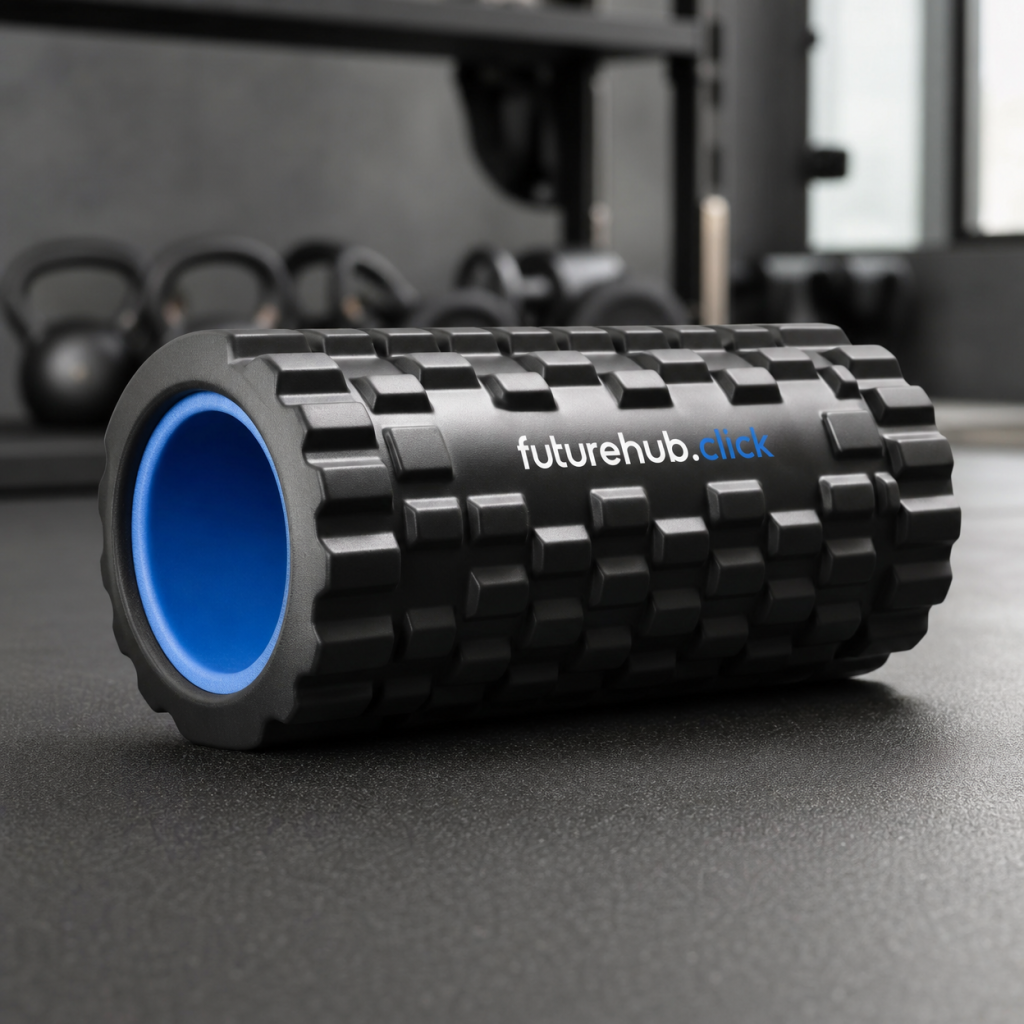
Foam Roller Double Density
May
Recovery is as important as training, yet it is consistently the most neglected aspect of most fitness programs. Among the various recovery tools available, the foam roller stands out as one of the most effective, accessible, and evidence-supported options. A double density foam roller, specifically, elevates the standard self-massage experience to a new level of therapeutic effectiveness.
**Understanding Double Density Foam Rollers**
Standard foam rollers are made from a single type of foam material, typically EVA foam, throughout their construction. They are effective but have a significant limitation: with repeated use, they compress and lose their firmness, becoming too soft to provide meaningful therapeutic pressure after several months of regular use.
A double density foam roller addresses this problem through a two-layer construction. The outer layer is firm enough to create effective pressure against muscle tissue, while the inner core is made from denser, more rigid foam or molded EVA that maintains its shape under load. This construction ensures the roller retains its therapeutic properties over thousands of uses, providing consistent pressure year after year.
The firmer compression of a double density roller is particularly effective for athletes with significant muscle mass and for targeting deeply embedded trigger points that a standard soft roller cannot adequately address.
**The Science of Self-Myofascial Release**
Foam rolling is a form of self-myofascial release, a technique originally performed by physical therapists and massage therapists using hands and specialized tools. The goal is to apply sustained pressure to tight spots within muscle tissue and the fascia — the connective tissue that envelops muscles — to reduce tension, improve blood flow, and restore normal tissue extensibility.
Fascia can become restricted and adherent due to overuse, dehydration, postural imbalances, or scar tissue formation after injury. These restrictions manifest as tightness, reduced range of motion, and localized pain. Applying sustained pressure through foam rolling appears to stimulate mechanoreceptors in the tissue, triggering a neurological response that causes the muscle to relax and the restriction to soften.
Scientific research on foam rolling has shown that regular use improves flexibility and range of motion, reduces delayed onset muscle soreness following intense exercise, and enhances recovery between training sessions. While the exact mechanisms continue to be studied, the practical benefits reported by athletes and practitioners worldwide are well-documented.
**Key Areas to Target**
The quadriceps and IT band are among the most commonly treated areas with a foam roller, particularly for runners and cyclists. Tightness in the IT band — the thick band of fibrous tissue running along the outside of the thigh — can cause knee pain that sidelines athletes for weeks or months. Regular rolling of this area keeps the tissue supple and prevents the friction-based inflammation that leads to IT band syndrome.
The thoracic spine, or mid-back, is another critical area. Hours of sitting at desks, hunching over smartphones, and performing pressing exercises can cause the thoracic spine to become rigid and limited in extension. Placing the foam roller perpendicular to your spine and gently extending over it can restore mobility to the thoracic vertebrae and relieve the upper back tightness that contributes to headaches and shoulder dysfunction.
Calves, hamstrings, glutes, and the hip flexors are additional areas that benefit enormously from regular foam rolling. Athletic performance in virtually every sport depends on the flexibility and responsiveness of these posterior chain muscles, and keeping them healthy through consistent rolling pays dividends in both performance and injury prevention.
**Correct Foam Rolling Technique**
Effective foam rolling requires patience and proper technique. The common mistake is rolling too quickly, treating it like a massage machine rather than a therapeutic tool. Instead, roll slowly across the target muscle, searching for areas that feel noticeably tender or tight. When you identify a tender spot, pause directly on it and allow the pressure to accumulate for 20 to 30 seconds until you feel the tension release.
Apply enough pressure to feel discomfort without experiencing sharp or shooting pain. The sensation should be what many describe as a productive hurt — uncomfortable but tolerable, and releasing as the tissue relaxes. Avoid rolling directly over joints, the lower back, or areas with acute injuries.
Breathing is an important component of effective rolling. Deep, rhythmic breathing helps activate the parasympathetic nervous system, facilitating muscle relaxation and making the rolling more effective. Holding your breath increases tension throughout the body and counteracts the purpose of the technique.
**Pre-Training and Post-Training Application**
Foam rolling serves different purposes depending on when it is performed. Before training, three to five minutes of targeted rolling on areas that feel tight or restricted can improve mobility and prepare the tissue for movement. This dynamic warm-up application should be followed by active stretching and movement-based preparation.
Post-training, foam rolling helps clear metabolic waste from fatigued muscles, reduce the onset of soreness, and return muscles to their resting length after being shortened during exercise. A thorough post-workout rolling session of 10 to 15 minutes targeting all major muscle groups trained in that session significantly accelerates recovery and reduces next-day stiffness.
**Conclusion**
A double density foam roller is one of the most cost-effective recovery investments any athlete can make. Its durability, therapeutic effectiveness, and versatility across dozens of muscle groups and recovery applications make it an indispensable daily tool. Combined with proper nutrition, sleep, and progressive training, regular foam rolling keeps your body functioning at its best, session after session. Fascia Science: Recent advances have revealed that the connective tissue network throughout the body is far more complex than previously understood. Fascia is an interconnected web that transmits force throughout the body, affects movement efficiency and influences muscle activation patterns. When fascia becomes restricted it can alter movement mechanics. A foam rolling session creates repeated mechanical stimulation that appears to stimulate neural receptors and create tissue changes. The sustained pressure appears to stimulate mechanoreceptors that respond by downregulating pain signals. Role of Inflammation: Intense training creates microscopic tears in muscle fibers triggering an inflammatory response designed to repair damage. However excessive inflammation can prolong recovery. Foam rolling appears to moderate this response by improving blood flow and facilitating removal of metabolic byproducts. Advanced Techniques: Beyond simple rolling advanced practitioners employ sophisticated techniques. Contract-relax foam rolling appears to enhance the nervous system’s ability to relax muscles. Cross-friction rolling creates different stimulation than standard rolling.
