Post
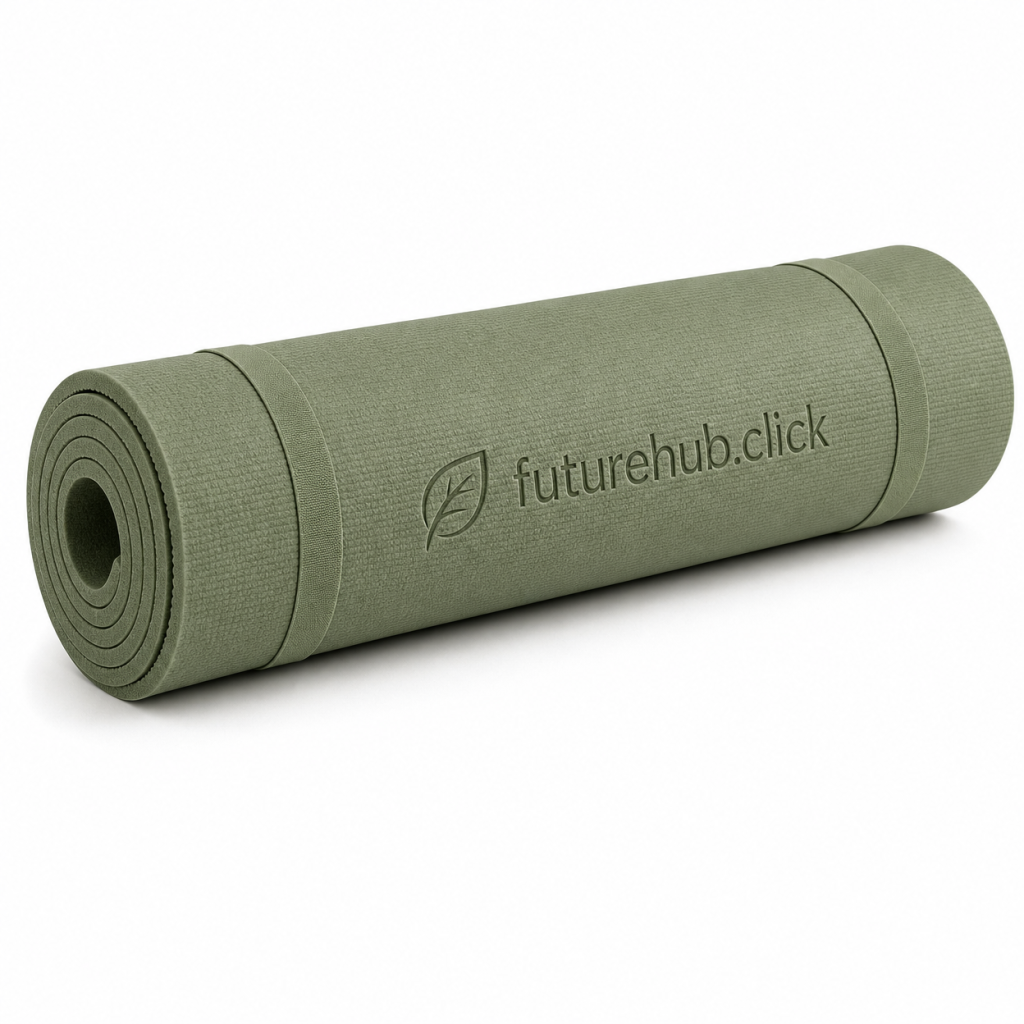
Yoga Mat 10mm Thick
May
A yoga mat is arguably the most personal piece of fitness equipment you own. It is the surface upon which you practice mindfulness, build flexibility, recover from hard training sessions, and challenge your body in new ways. Among the many options available, a 10mm thick yoga mat stands out as a premium choice that significantly elevates the experience of every practice.
**Why Thickness Matters**
Standard yoga mats range from about 3mm to 6mm in thickness, which is adequate for many practices but falls short in terms of cushioning when poses require sustained contact between bones and the floor. The 10mm thick yoga mat represents the upper end of the thickness spectrum, offering more than three times the cushioning of a standard mat.
For practitioners who experience discomfort in their knees during kneeling poses, pain in their wrists during plank variations, or soreness in their hips during floor sequences, a 10mm mat can be transformative. The additional material absorbs pressure and distributes body weight more evenly, reducing concentrated stress on joints and bony prominences.
This extra thickness is also highly beneficial for restorative yoga, yin yoga, and meditation practices where you hold poses for extended periods. Being able to stay in a position comfortably for several minutes without physical pain allows you to actually focus on the mental and energetic aspects of the practice, which are often obscured by discomfort on thinner surfaces.
**Material Composition and Performance**
The material from which a 10mm yoga mat is constructed determines its grip, durability, eco-friendliness, and feel. The most common materials include PVC, TPE, natural rubber, and NBR foam.
PVC mats are the most affordable and durable, with excellent grip even when dry. However, PVC is not biodegradable and contains chemicals that some practitioners prefer to avoid due to environmental and health considerations. TPE, or thermoplastic elastomer, is a more environmentally friendly alternative that offers comparable performance to PVC with better biodegradability.
Natural rubber mats provide exceptional grip, especially when wet from perspiration during intense sessions. They feel different from synthetic mats — slightly heavier and denser — and are preferred by many experienced practitioners for their tactile quality. The downside is that natural rubber mats are more expensive and should not be used by people with latex allergies.
NBR foam is frequently used specifically for thick yoga mats because it provides excellent cushioning at a very low cost. NBR mats are lightweight despite their thickness, but they typically have less grip than rubber or PVC mats and may not withstand very hot or humid conditions as well.
**Grip and Stability**
One concern some people have about thick yoga mats is stability. If a mat is too soft or spongy, standing balance poses become challenging because the mat compresses unevenly underfoot. Quality 10mm mats address this by using a firm, closed-cell foam construction that provides cushioning without compromising stability.
The surface texture of the mat plays a major role in grip. A mat with a pronounced texture — either through the natural surface pattern of the material or through added textural elements — prevents hands and feet from sliding during dynamic sequences and sweaty practices. Test the grip by placing your palms flat and pressing through your hands; there should be a clear sense of resistance rather than slippery gliding.
**Dimensions and Portability**
Standard yoga mat dimensions are approximately 173cm by 61cm, which is adequate for most practices. Extra-length options reaching 183cm or even 200cm are available for taller practitioners who find their head or feet extending off the mat during supine poses. At 10mm thickness, these mats are naturally bulkier to store and transport than thin mats.
For studio or class use, transporting a 10mm mat can be cumbersome because they are heavier and produce a larger roll when packed. Carrying straps and specialized bags designed for thick mats make transport more manageable. However, if your practice is primarily home-based, portability is less of a concern and the superior comfort easily outweighs any inconvenience.
**Cleaning and Maintenance**
Regular cleaning extends the life of your mat and maintains hygienic practice conditions. After each session, wipe the mat down with a damp cloth or a yoga mat cleaning spray. Avoid harsh chemical cleaners that degrade the foam and reduce grip over time. For deep cleaning, most mats can be gently hand-washed in cool water and air-dried away from direct sunlight, which can cause foam to break down prematurely.
Rolling the mat with the practice surface on the outside rather than the inside helps it lie flat during use. Store it in a cool, dry location away from heat sources that could warp the foam structure.
**Conclusion**
A 10mm thick yoga mat is not merely a luxury; for many practitioners, it is a necessity that makes consistent practice possible. By reducing joint pain, improving comfort in floor-based poses, and creating a stable platform for dynamic movement, a quality thick mat removes physical barriers that can otherwise discourage regular practice. Invest in a mat made from quality materials with good grip and firm cushioning, and it will serve your practice faithfully for years. Material Comparison: The choice of yoga mat material significantly influences the entire training experience. PVC mats are affordable and durable with excellent grip in humid conditions. TPE has emerged as a middle ground between environmental concern and practical performance, biodegrading within 5 years. Natural rubber mats represent the premium eco-conscious option offering environmental benefits that synthetic alternatives struggle to match. NBR foam provides excellent cushioning at very low cost. Physics of Mat Thickness: Beyond simple comfort, mat thickness directly affects force distribution and joint compression. Your knees experience compression forces during kneeling yoga poses that are inversely proportional to mat thickness. A 3mm mat creates significantly higher peak pressures than a 10mm mat. Chronic kneeling on thin mats can contribute to patellofemoral pain syndrome. Many practitioners who experience persistent knee pain report complete resolution simply by switching to a 10mm mat.
